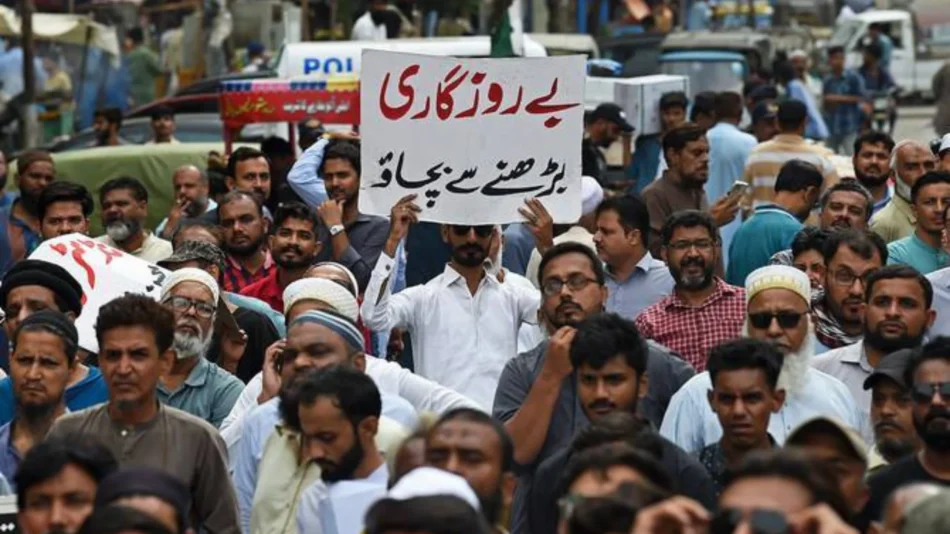

Pakistan is facing a mounting unemployment crisis, with the number of jobless individuals rising sharply from 4.5 million to 5.9 million. This significant increase highlights a growing economic strain, with youth and young graduates being disproportionately affected. Economists and government officials warn that without urgent intervention focused on job creation and skills development, the social and economic pressure on households will intensify.
The surge points to deeper structural issues within the economy, including sluggish growth in job-creating sectors and a mismatch between the skills of the workforce and market demands. The government has emphasized the need for urgent policy measures, including attracting investment, promoting entrepreneurship, and launching large-scale skills development programs to equip the youth with relevant training.
Billionaire Saudi BusinessWoman Marries Pakistani Driver
📊 Understanding the Scale: A Comparative Look
The following table breaks down the core issue, highlighting the most vulnerable group:
| Metric | Previous Figure | Current Figure | Key Implication |
|---|---|---|---|
| Total Unemployed | 4.5 million | 5.9 million | A surge of 1.4 million more people without work. |
| Youth Unemployment (Estimated) | Already high | Disproportionately Higher | Young entrants to the job market face the toughest prospects. |
🔍 Root Causes and Necessary Actions
The crisis is driven by several interconnected factors:
- Economic Stagnation: Slow GDP growth fails to generate enough new jobs for the growing workforce.
- Skills Mismatch: The education system often doesn’t equip graduates with the technical or vocational skills demanded by modern industries.
- Investment Shortfall: Both local and foreign investment, crucial for business expansion and new ventures, have been inconsistent.
Experts stress that solutions must be multi-pronged, including:
- Boosting Key Sectors: Prioritizing growth in IT, agriculture, manufacturing, and green energy to create employment.
- Revamping Training: Expanding Technical and Vocational Education and Training (TVET) programs aligned with market needs.
- Supporting SMEs: Providing credit and regulatory ease to small and medium enterprises, which are major job creators.
Without decisive and effective action, the rising unemployment threatens to increase poverty, fuel social unrest, and lead to a greater brain drain as skilled youth seek opportunities abroad.
What specific sector or policy do you believe holds the most immediate potential for creating sustainable jobs in Pakistan?