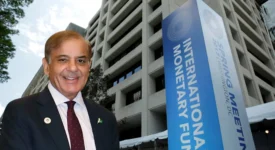
The International Monetary Fund (IMF) has recently emphasized the need for Pakistan to implement targeted tax reforms in the upcoming fiscal year 2025-26 budget. A key proposal from the IMF focuses on imposing income tax on high pensioners, specifically those earning a monthly pension of Rs 400,000 or more. Under this plan, such pensioners could be subjected to a 2.5% income tax, a measure aimed at widening the tax base and boosting government revenue. The move reflects the IMF’s broader strategy to enhance fiscal discipline and increase financial sustainability for Pakistan’s economy.
Furthermore, the IMF has recommended increasing the annual income tax exemption limit from Rs 600,000, a step that could benefit low-income and middle-class taxpayers by reducing their tax burden. While these measures might seem to increase the tax obligations for the wealthy, relief measures are also being considered for the lower and middle-income groups to ensure social equity and economic stability.
The IMF delegation is scheduled to visit Pakistan on May 14 to review the country’s economic policies and finalize the targets for the upcoming budget. During this visit, discussions will likely focus on a comprehensive set of reforms to address fiscal deficits, improve revenue collection, and stabilize the economy. Pakistan’s government is under significant pressure to meet international expectations while balancing social and economic priorities.
IMF CRACKS DOWN ON REAL ESTATE TAX EVADERS
The proposal to tax high pensioners has garnered mixed reactions within Pakistan. Supporters argue that it is a necessary step to generate revenue and curb income inequality, given the gap between the affluent and the average citizen. Critics, however, express concerns over its fairness and potential impact on retired government employees. The government needs to tread carefully to ensure that policy changes do not create social unrest while fulfilling IMF’s conditions.
Overall, these reforms are part of Pakistan’s efforts to secure financial assistance and stabilize its economy amid ongoing challenges. With the IMF’s involvement, it is anticipated that the country will undertake critical fiscal reforms designed to improve revenue collection, boost economic growth, and ensure sustainable development. The upcoming budget will be instrumental in setting the course for Pakistan’s economic future, reflecting both the IMF’s guidelines and the government’s priorities.