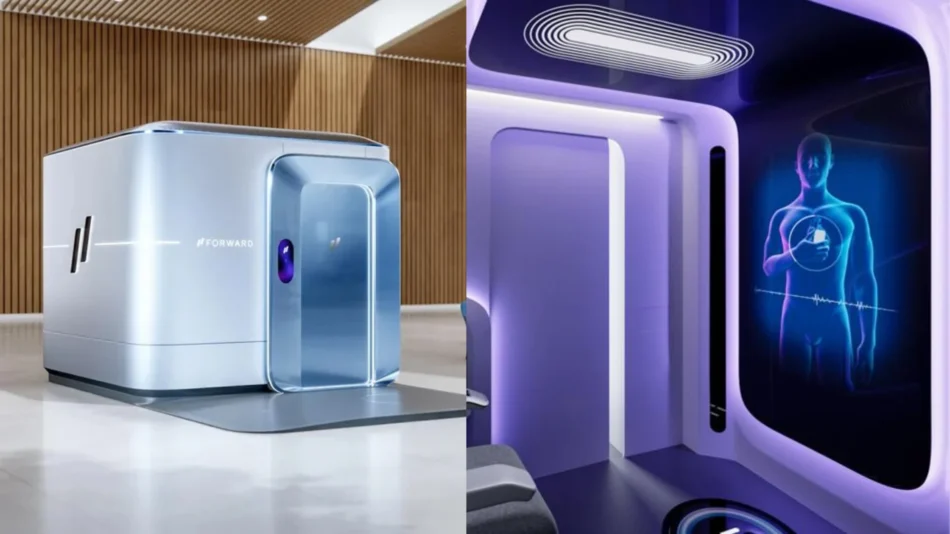

Imagine walking into a mall or train station, stepping into a small booth, and within minutes receiving a AI Health Kiosks checkup, diagnosis, and prescribed medication with no doctor present. This is now a reality in China, where artificial intelligence is reshaping access to basic healthcare.
These compact, self-service kiosks are equipped with advanced sensors and facial recognition technology. They can measure vital signs like blood pressure, heart rate, and body temperature, analyze symptoms, and even run quick diagnostic assessments. If treatment is needed, the machine dispenses the appropriate medication on the spot.
China Greenlights Major Tech and Industry Move for Pakistan
The system is especially valuable in rural or densely populated urban areas where medical resources are stretched thin. By offering instant, low-cost services 24 hours a day, the kiosks reduce pressure on hospitals and save people time and money.
Still, many wonder whether a machine can truly understand a patient’s unique health needs. Concerns about misdiagnosis, data privacy, and the loss of human empathy in healthcare remain part of the conversation. Yet one thing is certain: this innovation marks a bold step toward a future where healthcare is more immediate and accessible than ever before.
Frequently Asked Questions (FAQs)
1. How do AI Health Kiosks work?
Using sensors, cameras, and AI software, the AI Health Kiosks measure vital signs, ask patients about their symptoms, and compare the data with medical databases to offer a diagnosis and treatment.
2. Are these machines safe and accurate?
While they offer fast service, they are best suited for common, minor conditions. For complex health issues, visiting a human doctor is still recommended.
3. What happens to patients’ personal health data?
Data privacy is a known concern. Information is stored digitally, and it’s unclear how it is protected or used. Transparency from providers is still evolving.
4. Where are these kiosks available?
They are currently being installed in high-traffic public areas like subway stations, shopping malls, and city squares—especially in regions with limited clinic access.
5. Can these kiosks replace doctors?
No. They are designed to handle routine health issues and reduce waiting times, not to replace the critical judgment and empathy of trained medical professionals