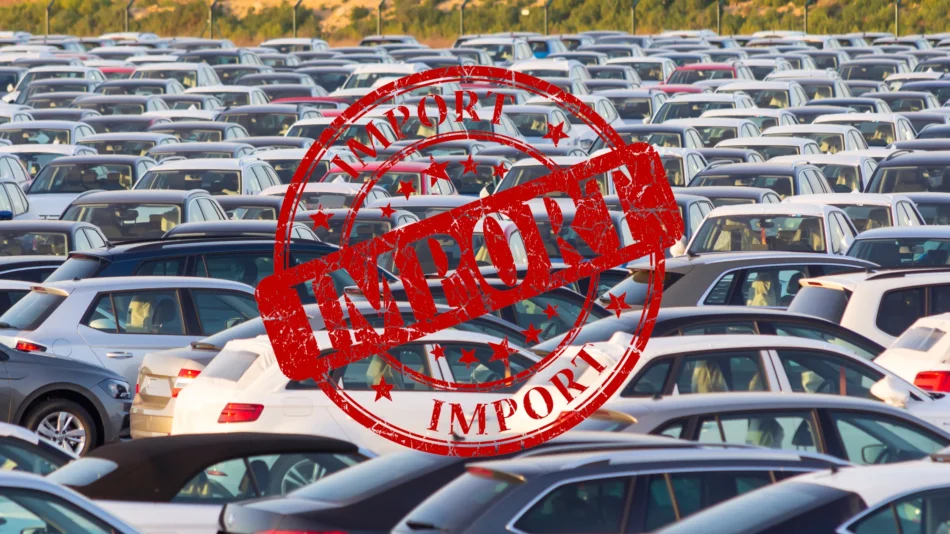

Pakistan’s auto sector is facing an existential crisis, with a surge in used-car imports threatening to dismantle local manufacturing and jeopardize 2.5 million jobs across the industry’s extensive supply chain. While imported used vehicles offer consumers short-term affordability, this trend risks long-term industrial collapse, pushing the country toward deindustrialization and severe economic instability.
Local car manufacturers, which have invested billions in assembly plants, parts production, and workforce development, are now operating well below capacity. The influx of cheaper imported alternatives—primarily from Japan and other countries—has eroded their market share, leading to production cuts, factory shutdowns, and layoffs.
MG Motor Unveils Powerful New U9 SUV at Pakistan Auto Show 2025
Why This Matters Beyond Cars
The auto industry is not just about vehicles; it is a cornerstone of Pakistan’s manufacturing ecosystem. From steel and plastic to electronics and logistics, hundreds of ancillary industries depend on automobile production. If local assembly declines:
- Jobs will be lost not only in factories but also in dealerships, repair workshops, and component manufacturing units.
- Investment will flee, both domestic and foreign, as the business environment becomes uncertain.
- Technology transfer and skill development will stall, affecting Pakistan’s industrial competitiveness for years to come.
Short-Term Gain vs. Long-Term Pain
While used-car imports provide immediate relief to buyers seeking lower prices, they offer no industrial multiplier effect. Unlike locally manufactured vehicles, imported used cars do not create jobs locally, contribute little to the tax base in the long run, and often come with higher environmental and safety concerns.
Pakistan now stands at a crossroads: continue allowing unrestricted used-car imports for temporary affordability, or implement balanced policies that protect local industry while ensuring fair competition and consumer choice.
The Way Forward
To prevent a total breakdown, stakeholders urge:
- Policy recalibration to ensure used imports do not undercut local manufacturing survival.
- Support for localization to reduce production costs and improve competitiveness.
- Investment in automotive innovation, including electric vehicle infrastructure and affordable car financing.
The choices made today will determine whether Pakistan preserves its industrial base or watches it erode—along with millions of livelihoods and the nation’s economic future.
Frequently Asked Questions (FAQs)
1. Why are used-car imports hurting local manufacturers?
Used cars are often cheaper due to depreciation and competitive international markets, making them attractive to buyers. However, their high volume cuts into the market share of locally assembled vehicles, reducing production volumes and making local operations unviable.
2. What’s at stake besides car manufacturing jobs?
The auto industry supports a vast network of sectors—including parts suppliers, logistics, sales, marketing, maintenance, and auto financing. A collapse in local manufacturing would trigger job losses across these interconnected fields, affecting an estimated 2.5 million Pakistanis.
3. Can’t local manufacturers compete on price?
High production costs in Pakistan—driven by taxes, energy prices, and import duties on components—make locally assembled cars more expensive. Used imports benefit from lower acquisition costs abroad and sometimes favorable import policies.
4. Is banning used-car imports the solution?
A complete ban may not be sustainable, but a balanced regulatory approach is essential. This could include stricter age limits, higher duties on non-essential vehicles, and incentives for local manufacturers to produce affordable car models.
5. What can consumers do?
Consumers ultimately decide the market direction. While affordability is critical, raising awareness about the long-term economic impact of buying imported used cars—versus supporting local industry—can help shift preferences toward sustainable choices.
6. Are there environmental concerns with used-car imports?
Yes. Many imported used cars are older models with higher emissions and lower fuel efficiency, contributing to pollution and higher carbon footprints compared to newer, locally assembled vehicles meeting modern standards.