PM Shehbaz Sharif recently embarked on a significant two-day official visit to Belarus, marking an important milestone in Pakistan’s foreign relations. The visit, conducted at the invitation of Belarusian President Alexander Lukashenko, underscores the growing strategic partnership between the two nations. This high-level engagement follows President Lukashenko’s visit to Pakistan in November 2024, where both countries laid the groundwork for enhanced cooperation across various sectors.

Historical Context of Pakistan-Belarus Relations
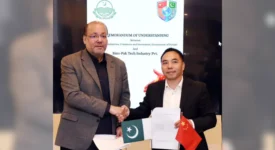
Pakistan and Belarus established diplomatic relations in 1994, but the relationship gained substantial momentum in recent years. The turning point came during President Lukashenko’s visit to Islamabad in November 2024, when a 68-member Belarusian delegation accompanied him. This visit resulted in the signing of eight Memorandums of Understanding (MoUs) covering trade, defense, and technology transfer.
Strengthening Ties: Turkiye and Pakistan Forge Deeper Relations
Historically, bilateral trade between the two countries has remained modest, hovering around $100 million annually. However, both nations recognize the untapped potential for economic collaboration, particularly in sectors where their strengths complement each other. Belarus’s advanced manufacturing capabilities in agricultural machinery and heavy industry present significant opportunities for Pakistan, while Pakistan offers Belarus access to South Asian markets through its strategic geographic position.

Objectives of the PM Shehbaz Sharif Visit
The primary objectives of PM Shehbaz Sharif visit were multifaceted, focusing on strengthening economic, defense, and cultural ties.
Economic Cooperation
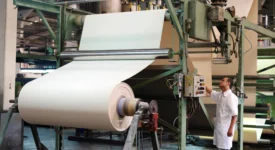
A key focus area was enhancing bilateral trade and investment. Pakistan aims to leverage Belarus’s expertise in agricultural machinery to modernize its farming sector. Belarusian tractors and harvesters are particularly suited to Pakistan’s agricultural needs. Additionally, discussions were held on potential joint ventures in pharmaceuticals and textiles, which could help reduce Pakistan’s reliance on imports in these critical sectors.
The visit also explored opportunities for collaboration in energy and infrastructure development. Belarus has made significant strides in energy-efficient technologies, which could support Pakistan’s efforts to modernize its power grid and develop renewable energy projects under its 2030 Green Initiative.
Defense and Security Collaboration
Defense cooperation formed another crucial component of the discussions. Belarus, known for its robust defense industry, offers advanced military vehicles and radar systems that could enhance Pakistan’s defense capabilities. The talks explored possibilities for technology transfer and joint production, which would help Pakistan diversify its defense partnerships and reduce dependency on traditional suppliers.
Cultural and Educational Exchange
Beyond economic and defense ties, the visit emphasized strengthening people-to-people connections. Both nations expressed interest in expanding cultural and educational exchanges, including student scholarships and collaborative research programs. These initiatives aim to foster mutual understanding and long-term partnership between the two countries.
High-Level Delegation and Key Meetings
PM Shehbaz Sharif was accompanied by a high-powered delegation, reflecting the comprehensive nature of the visit. Deputy Prime Minister Ishaq Dar focused on financial cooperation and investment protocols, while Federal Minister for Information and Broadcasting Attaullah Tarar explored media partnerships and cultural diplomacy. Special Assistant Tariq Fatemi engaged in strategic dialogues on Eurasian connectivity and broader geopolitical issues.
The delegation held several critical meetings with Belarusian officials, including President Lukashenko and Prime Minister Roman Golovchenko. These discussions focused on finalizing pending agreements and identifying new areas for collaboration. The meetings were characterized by a shared commitment to translating diplomatic engagements into tangible outcomes.

Challenges and Opportunities
While the visit presented numerous opportunities, it also highlighted certain challenges that need to be addressed to fully realize the potential of Pakistan-Belarus relations.
Geopolitical Considerations
Belarus’s close ties with Russia present both opportunities and challenges for Pakistan. On one hand, collaboration with Belarus could open doors to the Eurasian Economic Union (EAEU), a market of 183 million consumers. On the other hand, Pakistan must navigate the complexities of aligning this partnership with its broader foreign policy objectives, particularly its relations with Western countries.
Trade Barriers
Despite the potential for growth, bilateral trade remains hindered by tariff and non-tariff barriers. Both nations acknowledged the need to streamline trade procedures and address logistical challenges to facilitate smoother commerce. Efforts to establish direct shipping routes and improve customs clearance processes were discussed as potential solutions.
Opportunities for Growth
PM Shehbaz Sharif visit underscored several promising areas for future collaboration. Belarus’s involvement in the China-Pakistan Economic Corridor (CPEC) could attract Eastern European investors and enhance the project’s global appeal. Additionally, joint ventures in technology and innovation could position both countries as leaders in emerging industries.
Public and International Reaction
The visit garnered positive responses from various stakeholders. Pakistani business leaders praised the government’s efforts to diversify economic partnerships, viewing Belarus as a valuable ally in achieving this goal. Internationally, the visit was seen as part of Pakistan’s broader strategy to strengthen ties with Eurasian nations and balance its diplomatic engagements.
Conclusion
PM Shehbaz Sharif visit to Belarus represents a strategic step forward in Pakistan’s foreign policy. By deepening ties with Belarus, Pakistan aims to unlock new economic opportunities, enhance its defense capabilities, and strengthen its position in the Eurasian region. The success of this partnership will depend on the effective implementation of agreed-upon initiatives and sustained diplomatic engagement.
As both nations move forward, the focus must remain on converting discussions into actionable projects that deliver mutual benefits. With a shared vision and commitment to collaboration, Pakistan and Belarus are poised to build a robust and enduring partnership that contributes to regional stability and prosperity.