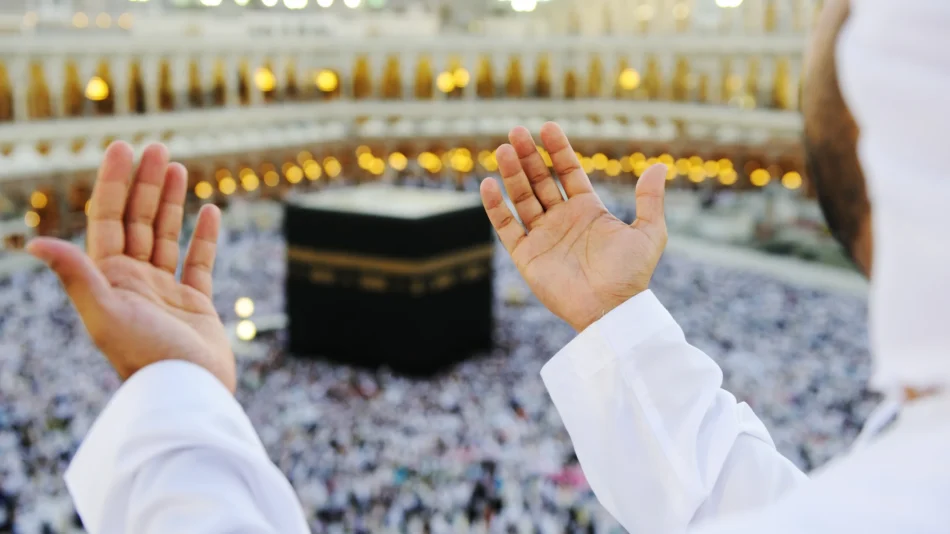

In a significant move to ensure the safety and well-being of all pilgrims, Saudi Arabia and Pakistan have jointly introduced strict new medical regulations for the Hajj pilgrimage in 2026. The core principle is clear: only physically fit individuals will be permitted to undertake the journey.
Under the new rules, individuals with serious, chronic health conditions will be barred from performing Hajj. This is to protect the pilgrims themselves from the immense physical strain of the pilgrimage, which can be dangerous for those in poor health.
Early Registration Opens for Hajj 2026 in Pakistan Next Week
List of Barred Health Conditions
The list of conditions that will prevent someone from performing Hajj includes:
- Serious Organ Diseases: Advanced heart, kidney, liver, or lung diseases.
- Neurological Disorders: Such as advanced dementia or other debilitating conditions.
- Cancer: Individuals battling cancer.
- Infectious Diseases: Any contagious illness that could risk public health.
- Other Conditions: Pregnant women and patients requiring regular dialysis.
Strict Enforcement and Consequences
The rules will be strictly enforced at multiple stages. Medical officers in Pakistan will conduct the initial fitness assessment. Upon arrival in Saudi Arabia, Saudi health teams will verify the medical certificates.
The most serious consequence is that any pilgrim who arrives and is found to be medically unfit will not be allowed to perform Hajj and will be immediately deported back to their home country at their own expense. This underscores the importance of honest and thorough health screening before travel.
Frequently Asked Questions (FAQs)
1. What is the main reason for these new rules?
The primary reason is pilgrim safety. Hajj is a physically demanding journey that can be life-threatening for individuals with certain pre-existing health conditions.
2. What happens if a sick pilgrim still travels to Saudi Arabia?
They will likely be identified by Saudi health teams, denied entry to the pilgrimage rites, and deported back to their home country. They will also have to bear the cost of their return journey.
3. Who will check my medical fitness?
You will be assessed by approved medical officers in your home country before travel. Your certificate will be verified again by Saudi health authorities upon your arrival.
4. I have a controlled medical condition. Can I go?
The regulations target “serious” and “advanced” conditions. If your condition is well-managed and you are physically fit, you may still be eligible. A final assessment will be made by the authorized medical officers.