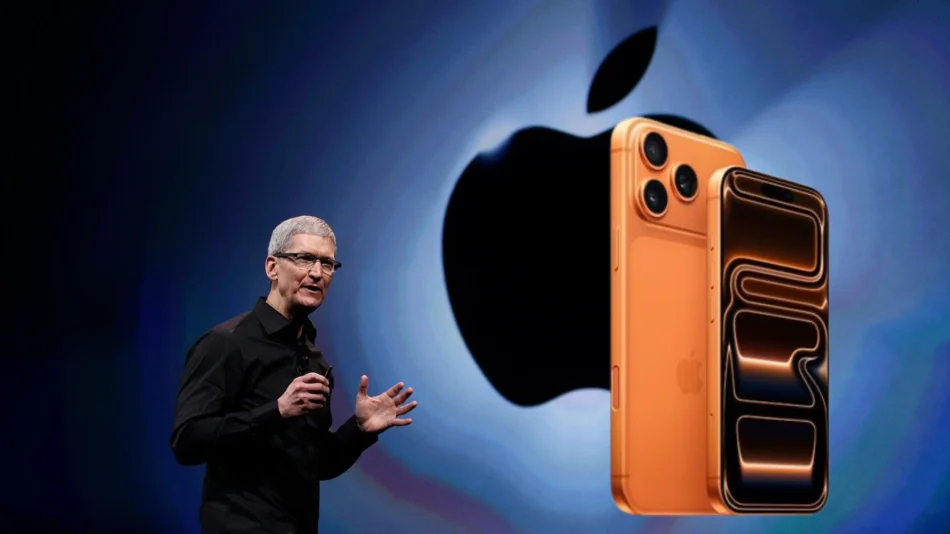

In the most significant shift to its release strategy in over a decade, Apple is reportedly planning to launch new iPhone models twice a year, starting in 2026. This move would break the company’s long-standing tradition of a single annual iPhone event.
The new strategy aims to create a clearer distinction between Apple’s premium and standard devices while keeping consumer interest high throughout the year.
The New Two-Tier Release Cycle
According to reports, the new release plan would work as follows:
- Late 2026: Launch of premium models, including the iPhone 18 Pro, iPhone 18 Pro Max, and a rumored high-end foldable device.
- Early 2027: Launch of the more affordable standard models, like the iPhone 18 and a potential iPhone 18e.
This structured approach allows Apple to target different customer segments at different times of the year.
Why is Apple Making This Change?
This strategic shift is driven by several key goals:
- Better Production Management: Spreading out launches can ease the strain on the supply chain and manufacturing processes.
- Sustained Consumer Interest: Having two major iPhone announcements per year helps Apple stay in the headlines and maintain market buzz continuously.
- Clear Product Differentiation: Separating the premium and standard launches helps define the value proposition of each tier more clearly, preventing the Pro models from overshadowing the standard ones.
If implemented, this new cycle will fundamentally change how consumers anticipate and purchase new iPhones.
Frequently Asked Questions (FAQs)
1. When will the twice-a-year iPhone releases begin?
The new strategy is expected to start with the iPhone 18 series, with the first split launch occurring between late 2026 and early 2027.
2. Which iPhones will be released in each cycle?
The premium “Pro” models and potential new form factors (like a foldable iPhone) will launch first, followed by the standard and more affordable models a few months later.
3. Why is Apple doing this?
The main reasons are to better manage its complex supply chain, maintain a constant buzz in the market, and more clearly separate its high-end phones from its budget-friendly options.
4. Will this make iPhones more expensive?
The reports focus on the release schedule, not pricing. However, clearly separating the Pro and standard lines could help justify the higher price points of the premium models.