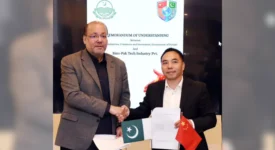
China and Pakistan have moved forward with Phase 2 of the China-Pakistan Economic Corridor (CPEC), marking a new stage in their long-standing friendship. This phase will focus on industrial development, agricultural modernization, mineral exploration, and further progress at Gwadar Port.
CPEC has already proven to be a game-changer for Pakistan’s economy. It has created more than 236,000 jobs for local people and has supported a $23 billion trade partnership between the two countries. Phase 2 is expected to build on these achievements and open new opportunities for growth.
CHINA MANUFACTURING PROWESS: INDUSTRIES WHERE CHINA LEADS THE WORLD
One of the key areas of focus will be the creation of special economic zones to boost industry. In addition, modern farming techniques will be introduced to improve agriculture and ensure better food security. Pakistan’s mineral resources will also be tapped, creating new investment opportunities.
Gwadar Port will continue to play a central role as an international trade hub. With its strategic location, it will connect Pakistan to global markets and strengthen regional trade. Both governments see this step as a chance to create shared prosperity and long-term stability.
By working together, China and Pakistan hope to transform CPEC Phase 2 into a symbol of economic progress, mutual trust, and a brighter future for the region.
FAQs on CPEC Phase 2
1. What is the goal of CPEC Phase 2?
The goal is to boost industrial growth, modernize agriculture, develop minerals, and expand Gwadar Port.
2. How much trade does CPEC support?
CPEC has supported around $23 billion in bilateral trade between China and Pakistan.
3. How many jobs has CPEC created?
More than 236,000 jobs have been created for Pakistani citizens through CPEC projects.
4. Why is Gwadar Port important?
Gwadar Port is a vital trade hub that connects Pakistan with international markets and boosts regional trade.
5. How will Pakistan benefit from Phase 2?
Pakistan will gain jobs, modern farming methods, new industries, and investment in its mineral sector.