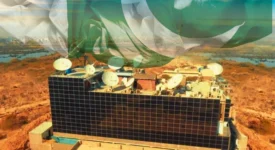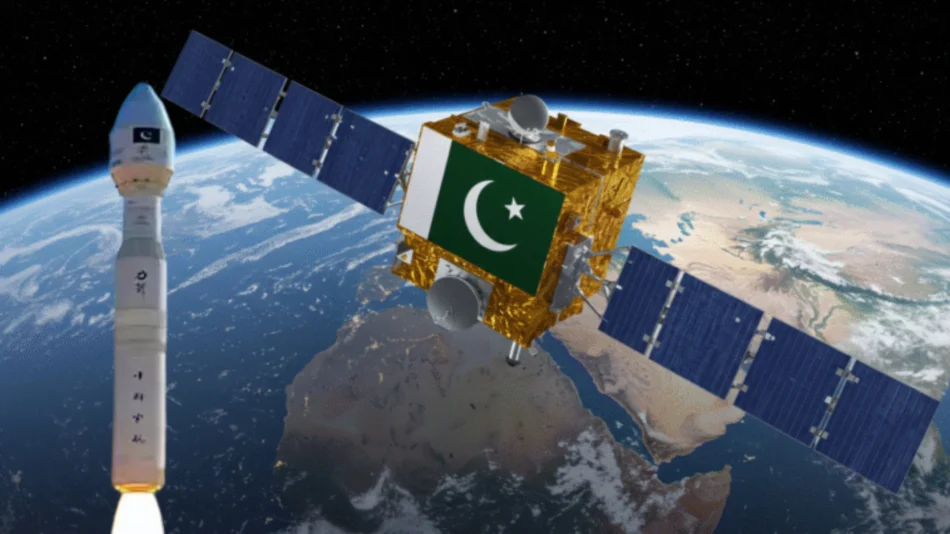

Pakistan is set to significantly enhance its capabilities in space technology with the establishment of a state-of-the-art Space Centre, backed by an investment of Rs. 29.5 billion. This ambitious project aims to strengthen the nation’s capacity in satellite engineering, mission readiness, and next-generation space innovation.
The Centre is expected to serve as a hub for research, development, and implementation of space missions, supporting both national strategic needs and scientific exploration. It reflects Pakistan’s growing commitment to developing indigenous expertise in space technology, reducing reliance on foreign platforms, and fostering innovation in fields such as remote sensing, telecommunications, and space sciences.
Karachi Hosts Pakistan’s Largest International Food & Agriculture Expo
Key Focus Areas of the Space Centre:
- Satellite Design & Development – Enhancing Pakistan’s ability to build and launch satellites locally.
- Mission Readiness – Strengthening infrastructure for planning, testing, and executing space missions.
- R&D in Space Tech – Promoting innovation in areas like propulsion systems, satellite communications, and Earth observation.
This initiative aligns with the Pakistan Space Policy 2047 and global trends in the commercial and strategic use of space, positioning Pakistan to play a more active role in the international space community.
Frequently Asked Questions (FAQs)
1. What is the purpose of Pakistan’s new Space Centre?
The Centre aims to boost indigenous capabilities in satellite engineering, space mission preparation, and cutting-edge space technology research and development.
2. How much is being invested in the project?
The project is backed by an investment of Rs. 29.5 billion.
3. What are the expected benefits for Pakistan?
It will enhance self-reliance in satellite technology, support national security and communication needs, foster STEM innovation, and potentially create international collaboration opportunities in space exploration.
4. Will this Centre help launch Pakistani satellites?
Yes, one of its core objectives is to improve Pakistan’s ability to design, assemble, test, and launch satellites domestically.
5. How does this fit into Pakistan’s long-term space goals?
This initiative supports the Pakistan Space Policy 2047, which aims to develop a robust national space program, encourage private sector participation, and leverage space technology for socio-economic development.
6. Is Pakistan collaborating internationally on this project?
While the focus is on indigenous development, international partnerships in research, technology transfer, and training are often part of such advanced space projects.