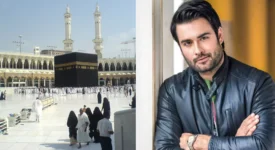
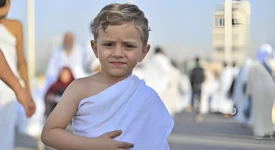
In a move to preserve sanctity and ensure order, Saudi Arabia’s Ministry of Hajj and Umrah has announced a complete ban on photography and video recording inside the Masjid al-Haram in Makkah and the Masjid an-Nabawi in Madinah.
Reasons for the Ban
The decision addresses growing concerns over:
- Disruptions to Worship: Crowding caused by individuals taking selfies or group photos, especially during prayer times.
- Invasion of Privacy: The filming of worshippers without consent, infringing on their personal spiritual space.
- Maintaining Order: Ensuring smooth movement and a peaceful environment within the two holy mosques, which host millions of visitors annually.
Enforcement and Scope
Security personnel will actively enforce the new rule. The ban also extends to key locations along the Hajj pilgrimage route, reinforcing the focus on spirituality and reverence throughout the sacred journey.
This measure aims to enhance the spiritual experience for all pilgrims and worshippers by minimizing distractions and upholding the sacred character of Islam’s most significant sites.
FAQs
Q1: When does the photography ban take effect?
A1: The ban was announced by the Ministry of Hajj and Umrah and is effective immediately in both holy mosques and specified Hajj areas.
Q2: Are there any exceptions to this rule?
A2: Official media and authorized personnel may be granted special permits for specific purposes, but general visitors and pilgrims are strictly prohibited from photography and videography.
Q3: What are the penalties for violating the ban?
A3: While specific penalties may vary, security personnel are empowered to enforce the rule. Violators will likely be instructed to delete footage and may face further action or fines for non-compliance.
Q4: Why is this ban being implemented now?
A4: The increase in smartphone usage and social media sharing has led to significant congestion and disruptions. The authorities are prioritizing a peaceful environment conducive to worship and spiritual reflection for all visitors.