The United States has ignited international criticism after using its veto power to block a United Nations Security Council resolution demanding an immediate G@za Ceasefire. The resolution, which had the support of all ten non-permanent members of the Council, also urged the prompt delivery of humanitarian assistance and the release of all remaining Israeli captives.
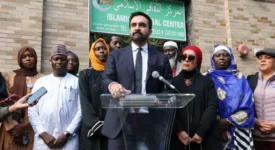
The decision drew sharp condemnation from diplomats, aid organizations, and protesters, who gathered outside the UN headquarters. US Ambassador to the UN Morgan Ortagus was met with vocal demonstrations, with activists chanting “Shame on you!” as she departed the chamber.
New Zealand PM Says Netanyahu Has ‘Lost Clarity’ Amid Gaza Crisis
The US veto comes as Israel continues its intense military campaign in G@za, with recent airstrikes and shelling resulting in a devastating death toll—now estimated at nearly 70,000—and exacerbating a dire humanitarian situation. The veto has been widely interpreted as a rejection of global consensus on the urgency of ending hostilities.
The blocked resolution was seen as a critical opportunity to alleviate civilian suffering and advance dialogue toward a lasting peace. Its failure highlights the deep political divisions within the Security Council and raises questions about the international community’s ability to hold parties accountable during escalating conflicts.
Frequently Asked Questions (FAQs)
- Why did the US veto the G@za ceasefire resolution?
The US argued the resolution could interfere with ongoing behind-the-scenes diplomatic efforts, though many world leaders see the veto as delaying urgent humanitarian action. - What specific measures did the resolution include?
It called for an immediate end to fighting, safe and rapid humanitarian access, and the release of all Israeli hostages. - What has been the global reaction to the veto?
The move has been met with protests and strong criticism from numerous countries, UN officials, and human rights organizations. - How is the humanitarian situation in G@za currently?
Conditions are catastrophic, with widespread destruction, severe shortages of essentials, and minimal medical infrastructure remaining. - Are there other avenues for a ceasefire after the veto?
Diplomatic efforts continue both within and outside the UN, but the veto represents a significant setback for immediate Security Council action.