
Pakistan’s hybrid vehicle industry has entered a period of uncertainty following the expiration of the government’s sales tax concession for Hybrid Electric Vehicles (HEVs) and Plug-in Hybrid Electric Vehicles (PHEVs) on June 30, 2026. The end of the tax incentive has created confusion across the automotive sector, with several manufacturers reportedly suspending the local assembly of hybrid vehicles until the government announces a revised taxation policy.
The expiry of the concession has left automakers unable to finalize vehicle prices, making it difficult to continue production or accept new bookings. Industry experts warn that prolonged uncertainty could negatively impact Pakistan’s growing market for fuel-efficient and environmentally friendly vehicles.
Tax Incentive Expiry Creates Market Uncertainty
The previous sales tax concession played a significant role in making hybrid vehicles more affordable for Pakistani consumers. Lower taxes helped manufacturers introduce hybrid models at competitive prices while encouraging buyers to shift from conventional petrol-powered vehicles to cleaner transportation options.
However, with the concession now expired, manufacturers are uncertain about the applicable tax rates. Without clear government guidance, companies are reluctant to continue production because any future tax changes could significantly affect vehicle pricing and profitability.
Hybrid Vehicle Production Reportedly Suspended
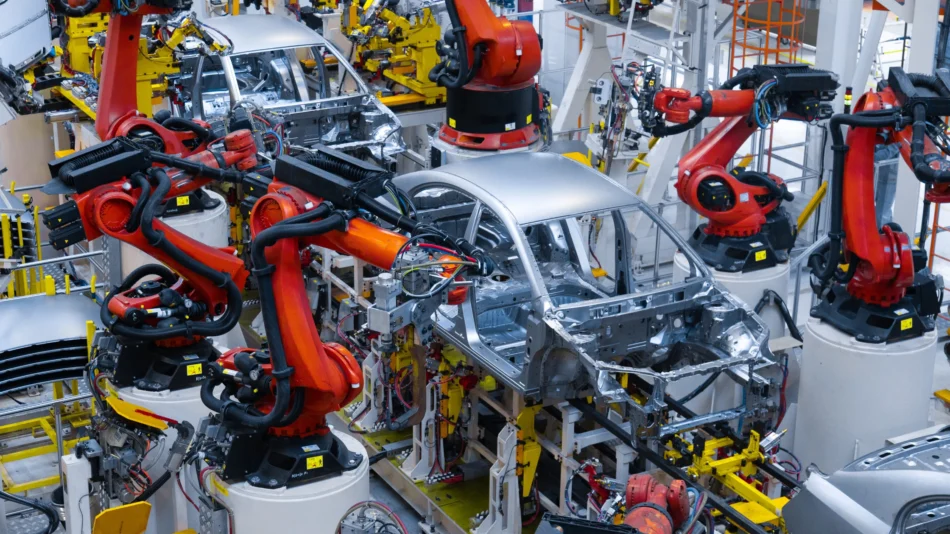
Several automobile manufacturers have reportedly paused the assembly of hybrid models while awaiting clarification from the government. Automakers say they cannot accurately calculate production costs, showroom prices, or future inventory requirements until the new taxation framework is officially announced.
This temporary suspension could delay vehicle deliveries, reduce model availability, and create longer waiting periods for customers planning to purchase hybrid vehicles.
Chinese NEVs Challenge Japanese Automakers in Pakistan’s Evolving Auto Market
Pricing Challenges for Manufacturers and Consumers
The absence of a defined tax policy has created pricing uncertainty across the market. Manufacturers are unable to announce final retail prices because any increase in sales tax could substantially raise vehicle costs.
Consumers are also delaying purchase decisions, hoping the government will introduce a favorable tax policy that keeps hybrid vehicles affordable. This uncertainty has slowed bookings and affected overall market confidence.
Supply Chain and Investment Concerns
The policy delay is also disrupting automotive supply chains. Manufacturers rely on predictable production schedules to order imported components, batteries, and other essential parts. Uncertainty surrounding taxation makes inventory planning significantly more difficult.
In addition, companies considering future investments in Pakistan’s hybrid and electric vehicle sector may postpone expansion plans until a stable regulatory environment is established. Industry stakeholders believe consistent government policies are essential for attracting long-term investment in green mobility.
Industry Calls for Immediate Government Action
Automobile manufacturers, importers, and industry associations have urged the government to announce a revised tax structure as soon as possible. They argue that a clear and consistent taxation policy would restore business confidence, stabilize vehicle pricing, and allow production to resume without further delays.
The industry also believes that supportive tax policies are necessary to encourage consumers to adopt hybrid technology, reduce fuel consumption, and lower dependence on imported petroleum products.
Impact on Pakistan’s Green Mobility Goals
Pakistan has been gradually expanding its market for hybrid and electric vehicles as part of broader efforts to reduce fuel imports, improve air quality, and lower carbon emissions. Hybrid vehicles consume less fuel than conventional petrol-powered cars, making them an important step toward cleaner transportation.
However, uncertainty over taxation could slow the adoption of hybrid technology by increasing vehicle prices and discouraging potential buyers. A prolonged policy delay may also affect the country’s long-term environmental and energy efficiency objectives.
Future Outlook
Industry experts remain optimistic that the government will soon introduce a revised taxation framework for hybrid vehicles. A balanced policy that supports both government revenue and sustainable transportation could help restore confidence among manufacturers, investors, and consumers.
Until an official announcement is made, Pakistan’s hybrid vehicle market is expected to remain cautious, with manufacturers limiting production and buyers delaying purchasing decisions.
Conclusion
The expiry of Pakistan’s sales tax concession for Hybrid Electric Vehicles (HEVs) and Plug-in Hybrid Electric Vehicles (PHEVs) has created significant uncertainty across the automotive industry. Production delays, pricing challenges, and investment concerns are affecting manufacturers, while consumers face uncertainty over future vehicle costs. A timely government decision on the new tax policy will be crucial for restoring market confidence, supporting the hybrid vehicle industry, and advancing Pakistan’s transition toward cleaner, more fuel-efficient transportation.