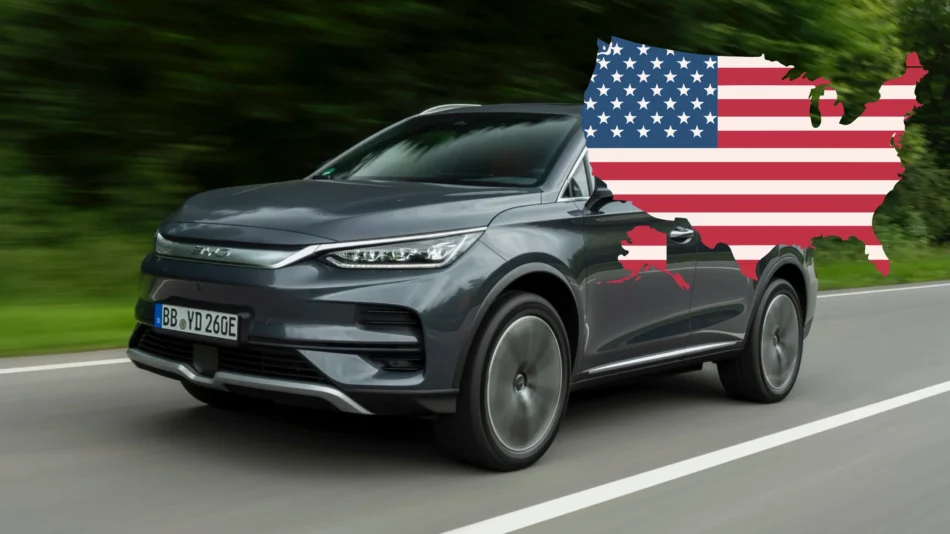

The United States has introduced a new bill that could permanently block Chinese-made vehicles from entering the American market. The proposed legislation comes amid growing concerns in Washington over national security, data privacy, and the increasing role of advanced Chinese technology in modern smart vehicles.
Supporters of the bill argue that connected vehicles equipped with cameras, sensors, GPS systems, microphones, and internet-based software may pose potential security risks. Officials fear that such technologies could collect sensitive user data or create vulnerabilities within critical infrastructure and communication networks.
The proposed action is being viewed as one of the strongest measures yet against Chinese automakers attempting to expand their presence in the U.S. automotive industry. Over recent years, Chinese electric vehicle manufacturers have rapidly grown in global markets due to competitive pricing, advanced battery technology, and expanding production capabilities.
Lawmakers backing the bill say the issue goes beyond traditional trade competition and focuses more on cybersecurity and protection of consumer information. Modern vehicles increasingly function like mobile digital platforms, storing large amounts of personal and location-based data through smart systems and cloud connectivity.
If approved, the legislation could significantly impact Chinese automotive companies aiming to enter or grow within the American market. Industry analysts believe the move may also influence global supply chains and increase tensions in the ongoing economic and technological rivalry between the United States and China.
MG Motor Unveils Powerful New U9 SUV at Pakistan Auto Show 2025
Automotive experts note that governments worldwide are becoming more cautious about foreign technology integration in transportation systems, especially as electric and autonomous vehicles become more dependent on software and data-sharing systems.
The proposed bill also reflects broader geopolitical concerns surrounding technology, artificial intelligence, and digital infrastructure. Some observers believe similar restrictions could emerge in other countries as governments place greater focus on cybersecurity and national data protection policies.
The development marks another important chapter in the growing competition between major global powers over technology, trade, and the future of the automotive industry.