
For more than a century, architects and engineers have competed to World’s Tallest Buildings, stronger, and more innovative skyscrapers. What once seemed impossible has become reality, with modern engineering pushing buildings beyond 800 meters into the sky. Today’s supertall towers are not just symbols of economic power—they are masterpieces of structural engineering designed to withstand extreme wind, earthquakes, and enormous weight.
From Dubai’s Burj Khalifa to Saudi Arabia’s under-construction Jeddah Tower, every new skyscraper introduces groundbreaking technologies that make greater heights possible. Here’s a closer look at the engineering secrets behind the world’s tallest buildings.to evolve, the limits of skyscraper construction will continue to expand. With projects like Jeddah Tower pushing toward the one-kilometre milestone, the future of vertical architecture promises to be even taller, smarter, and more remarkable than ever before.
Burj Khalifa Still Holds the Crown
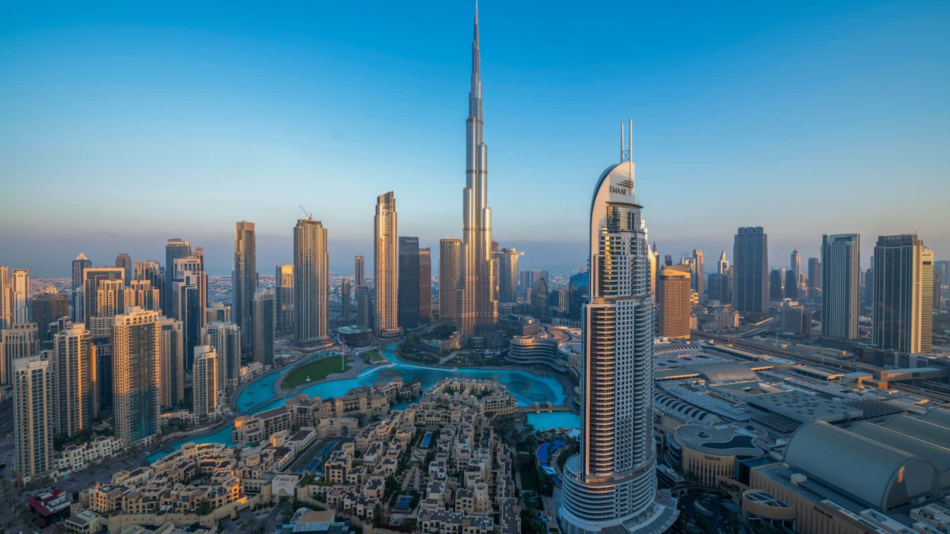
At 828 metres (2,717 feet), Dubai’s Burj Khalifa remains the tallest completed building in the world. Since its completion in 2010, it has become a symbol of modern engineering excellence. Although several new towers have been announced, Burj Khalifa continues to dominate the global skyline.
However, the race for height is far from over. Engineers around the world are already working on projects that will surpass today’s tallest skyscrapers.
Jeddah Tower Could Become the First 1-Kilometre Skyscraper
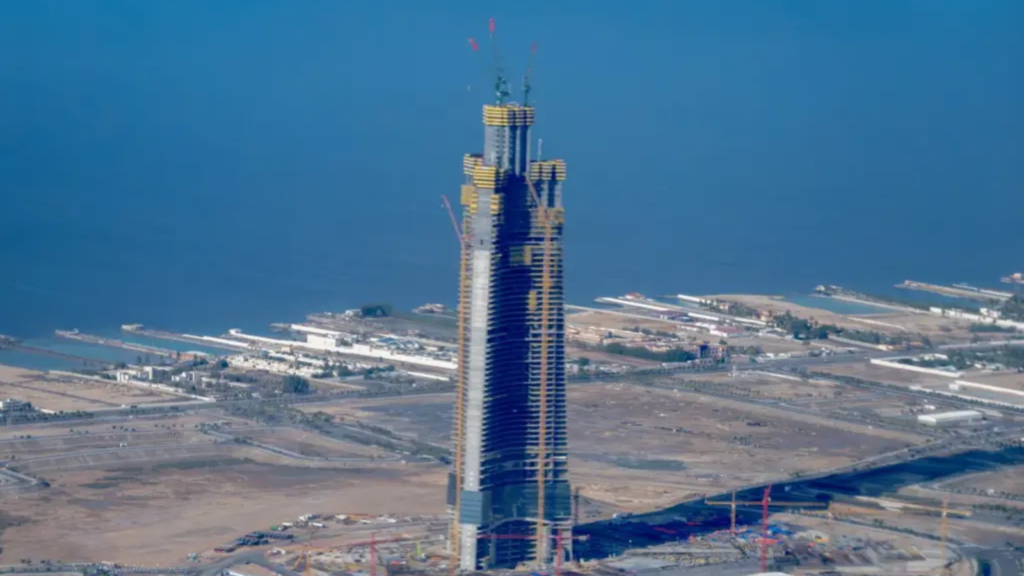
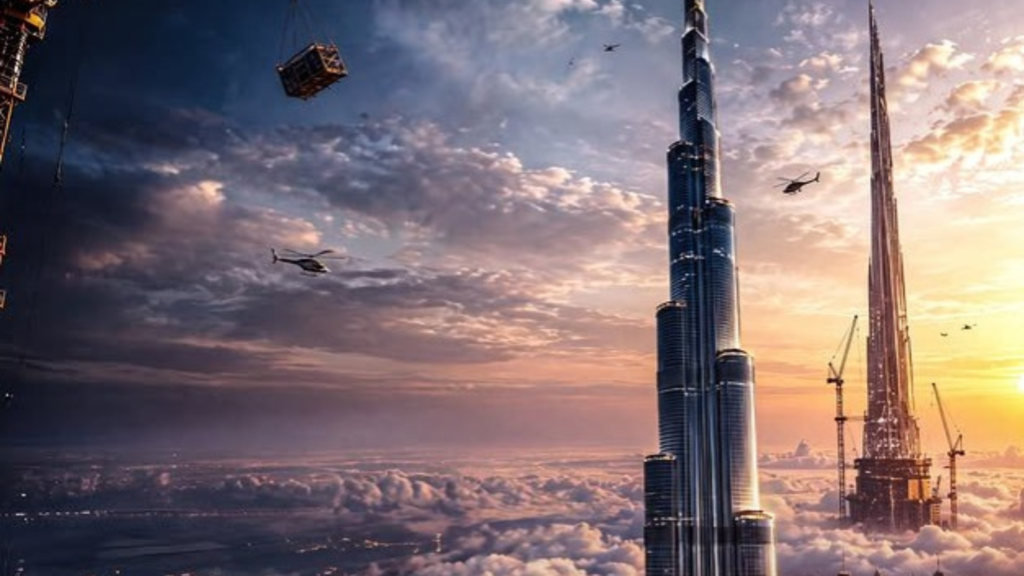
Saudi Arabia is constructing the ambitious Jeddah Tower, which is expected to become the world’s first building to exceed 1,000 metres (3,281 feet) in height.
Construction has already progressed beyond the 100th floor, and once completed, the tower will stand nearly one kilometre above the ground. This project demonstrates how engineering continues to push the limits of what was once considered impossible.
Wind Is the Greatest Enemy of Tall Buildings
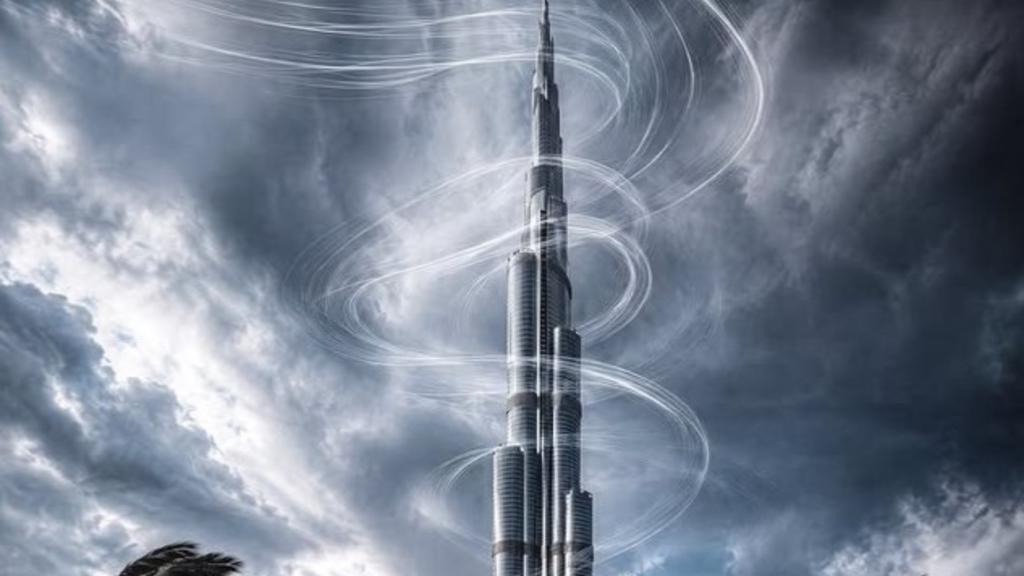
Contrary to popular belief, the biggest challenge in constructing supertall buildings is not gravity—it’s wind.
Strong winds create enormous pressure on skyscrapers. During storms, the tallest towers can sway by nearly one metre (around three feet) in each direction. While this movement is carefully controlled and perfectly safe, excessive swaying can make occupants uncomfortable and place additional stress on the structure.
Because of this, wind engineering plays a central role in every skyscraper design.
How Engineers Reduce Wind Pressure
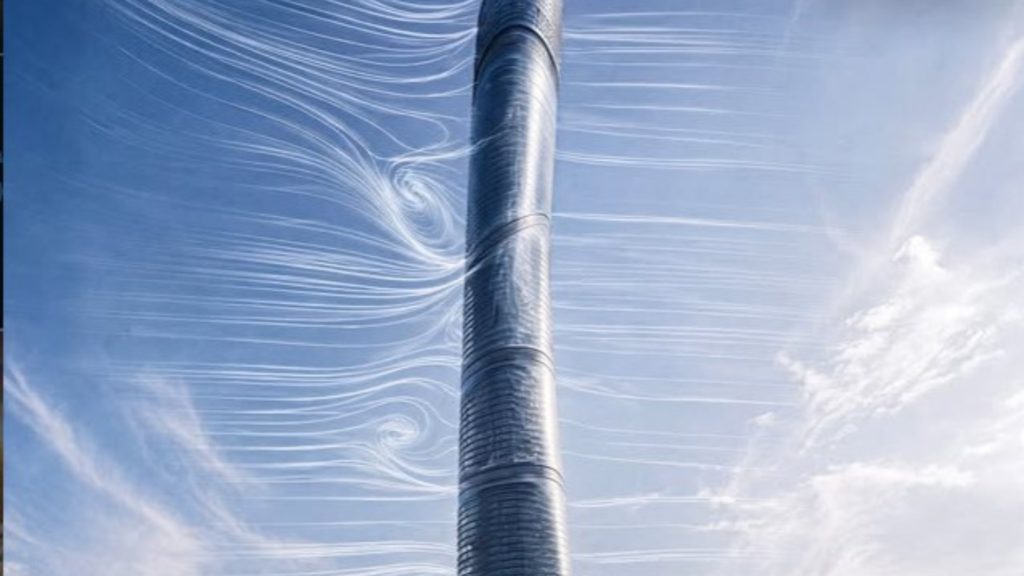
Rather than simply making buildings stronger, engineers make them more aerodynamic.
Modern skyscrapers feature tapered tops, stepped setbacks, rounded corners, and twisting designs that help break up powerful wind currents before they build dangerous pressure.
One of the best examples is Shanghai Tower, whose distinctive twisting shape reduces wind loads by approximately 24 percent, allowing the building to use less structural material while maintaining exceptional stability.
These innovative designs improve both safety and construction efficiency.
Service Long March Tyres Opens Book Building Registration for Investors
Giant Pendulums Keep Buildings Stable
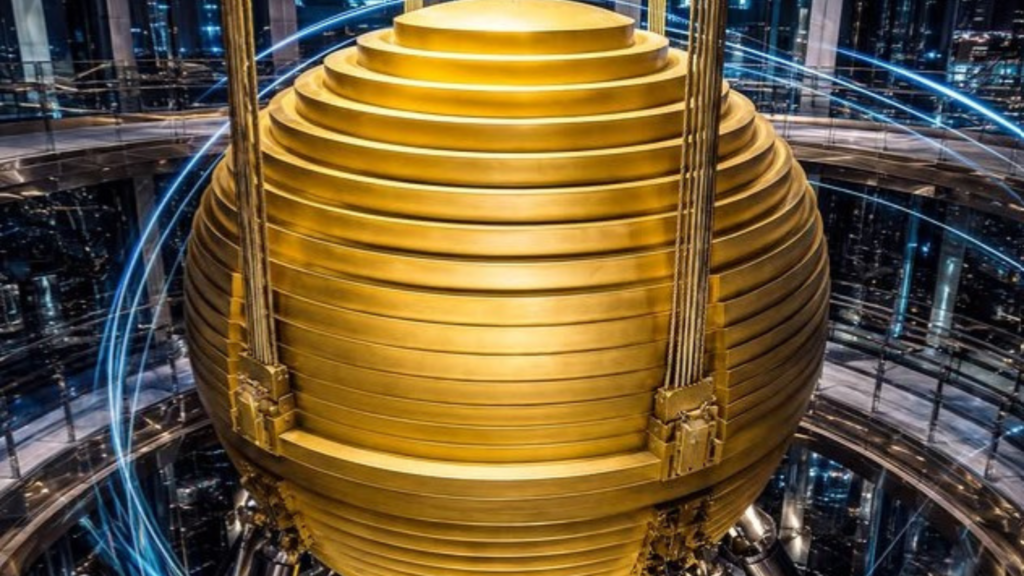
Some of the world’s tallest buildings use an incredible technology known as a Tuned Mass Damper (TMD).
Inside Taipei 101, a massive 730-ton steel sphere hangs near the top floors. Acting like a giant pendulum, it moves opposite to the building’s motion whenever strong winds or earthquakes occur.
This system reduces building movement by roughly 40 percent, significantly improving occupant comfort while protecting the structure from excessive vibration.
Stronger Structural Systems Make Greater Heights Possible
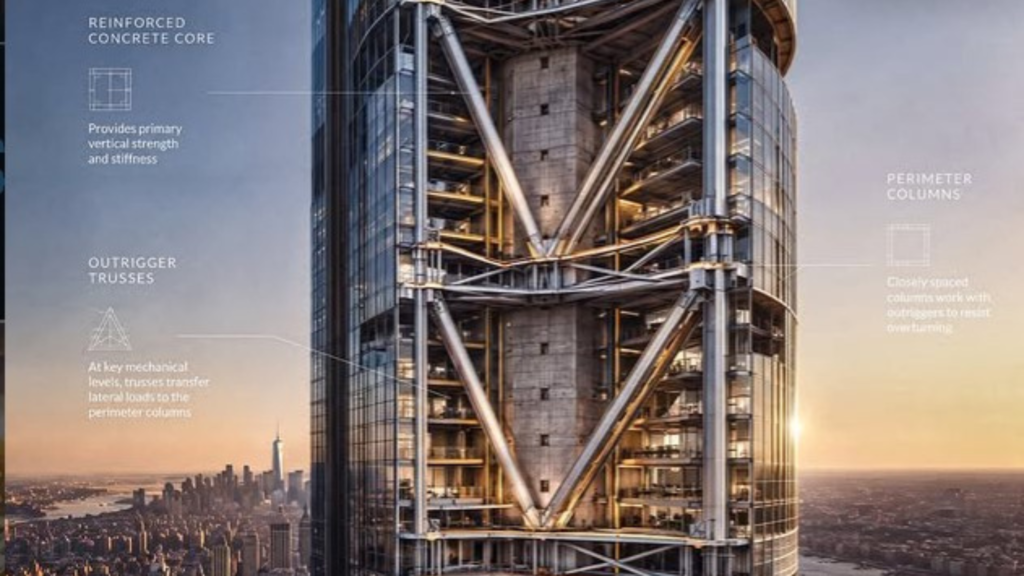
The secret behind modern skyscrapers lies deep inside their structure.
Instead of relying solely on thick concrete columns, today’s supertall towers use reinforced concrete cores surrounded by massive steel frameworks called outriggers. These systems connect the building’s core to its outer columns, allowing the entire structure to behave as one rigid unit.
This engineering approach distributes forces more evenly throughout the tower, making it stronger, safer, and capable of reaching unprecedented heights.
Computer Simulation Comes Before Construction
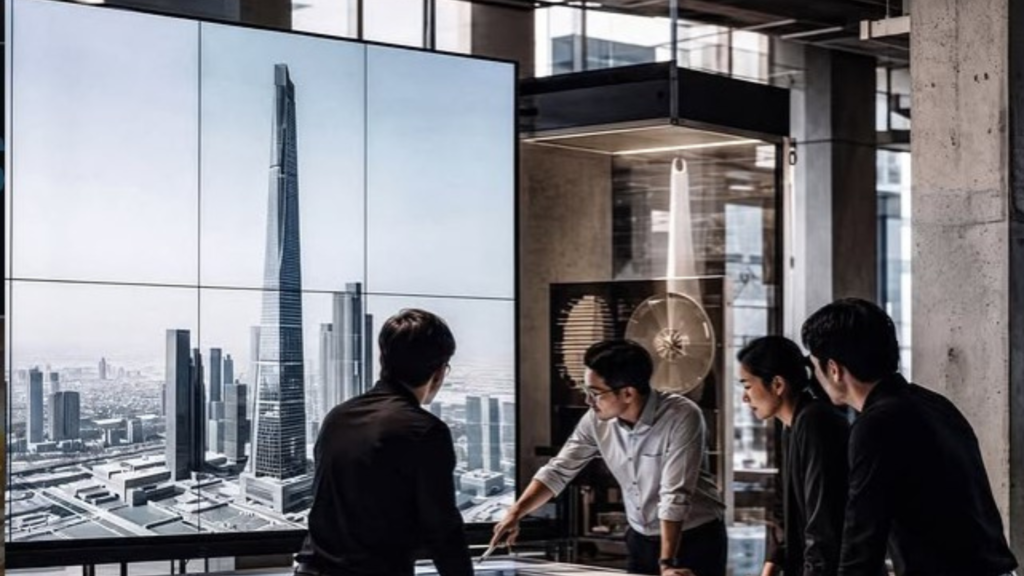
Long before the first foundation is poured, every modern skyscraper is built digitally.
Engineers create detailed 3D computer models and perform thousands of virtual simulations to analyse wind behaviour, earthquake resistance, structural stress, energy efficiency, and construction feasibility.
Wind tunnel testing allows designers to refine a building’s shape until it performs optimally under extreme weather conditions. This digital-first approach saves both time and construction costs while ensuring maximum safety.
The Elevator Challenge
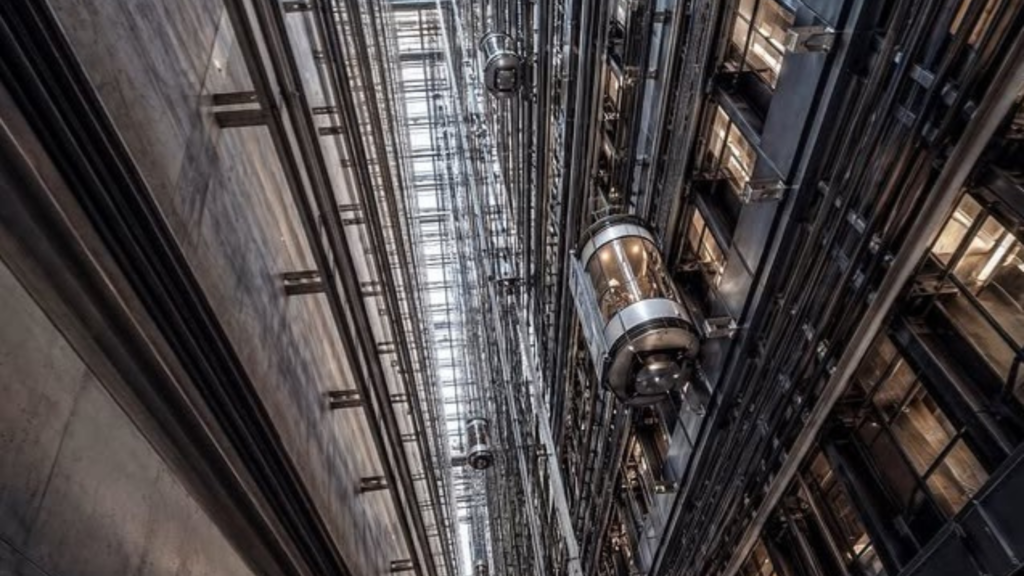
As buildings continue growing taller, elevators present another major engineering obstacle.
Traditional steel elevator cables become too heavy beyond approximately 500 metres, as their own weight places enormous stress on the lifting system.
To solve this problem, engineers are developing ultra-lightweight carbon-fibre cables, rope-free magnetic elevators, and advanced vertical transportation systems capable of travelling greater distances more efficiently.
These innovations are essential for the next generation of kilometre-high skyscrapers.
How Tall Can Buildings Become?
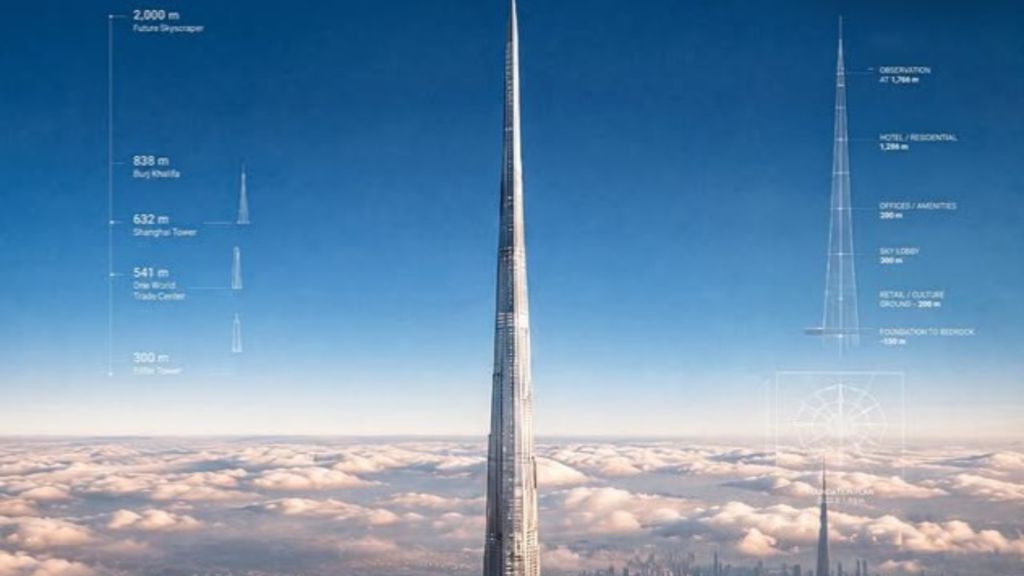
From an engineering perspective, there is currently no absolute height limit for skyscrapers.
Several concepts for 2-kilometre-tall towers have already been proposed. However, future skyscrapers will be limited less by structural strength and more by practical considerations such as construction costs, foundation design, elevator technology, and resistance to extreme wind forces.
As materials become lighter, stronger, and more sustainable, engineers believe even taller buildings may become economically and technically feasible.
Final Thoughts
The future of skyscrapers is being shaped by engineering innovation rather than height alone. Advanced computer modelling, aerodynamic architecture, reinforced structural systems, tuned mass dampers, next-generation elevators, and stronger construction materials are allowing engineers to build taller, safer, and more efficient buildings than ever before.
From the Burj Khalifa to the upcoming Jeddah Tower, each new skyscraper showcases humanity’s ability to solve increasingly complex engineering challenges. As technology continues to evolve, today’s record-breaking towers may one day become stepping stones toward an entirely new generation of megastructures that redefine the world’s skyline.