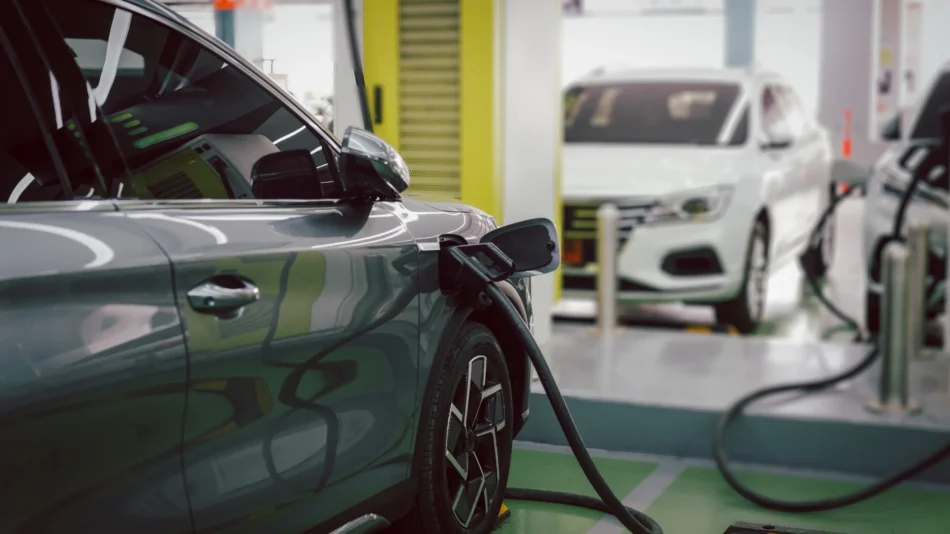

The Government of Pakistan is preparing a significant relief package for the automobile sector in the upcoming federal budget 2026–27, with a strong focus on reducing import duties, supporting local manufacturing, and accelerating the shift toward hybrid and electric vehicles (EVs).
The proposed reforms are expected to reshape the country’s auto industry by making vehicles more affordable, encouraging new investments, and promoting environmentally friendly transport solutions across Pakistan.
Focus on Lower Taxes and Reduced Import Duties
According to early policy discussions, the government is considering a major restructuring of the existing tax system on the auto sector. One of the key proposals includes the possible removal of additional customs duties on imported vehicles and auto parts.
At the same time, regulatory duties are expected to be reduced gradually in order to create a more balanced and industry-friendly environment. Officials believe that this step could help stabilize vehicle prices in the local market, which have remained high due to taxes, currency fluctuations, and supply chain costs.
The overall goal is to make the auto market more competitive while still protecting local manufacturers from sudden disruptions.
Toyota Invents EV Battery That Charges in 9 Minutes and Gives 745 Miles Range
Expected Duty Structure for Vehicles and Parts
Under the proposed framework, different categories of automobile imports may be taxed at revised rates:
- Auto parts may face around 5% duty
- Completely Knocked Down (CKD) kits may fall in the 5% to 10% duty range
- Fully assembled vehicles could be taxed at approximately 10% duty
These adjustments are aimed at creating a more predictable pricing structure for both manufacturers and consumers. By simplifying and reducing the tax burden, the government hopes to encourage smoother supply chain operations and better market stability.
Shift Toward Hybrid and Electric Vehicles (EVs)
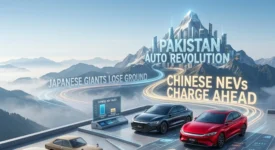
A major highlight of the proposed policy is its strong emphasis on new energy vehicles, particularly hybrid and electric cars.
Officials say the government is actively working to promote cleaner transport options to reduce dependency on imported fuel and lower environmental pollution levels in urban areas.
The policy is expected to encourage:
- Increased adoption of hybrid vehicles
- Expansion of electric vehicle (EV) charging infrastructure
- Local assembly of EV models
- Investment from international automobile companies
- Development of green transport technologies
This shift is part of Pakistan’s broader strategy to modernize its transport sector and align with global environmental trends.
Economic Impact on Consumers and Industry
Industry experts believe that if the proposed reforms are implemented, the auto market could experience noticeable changes. One of the most important expected outcomes is a reduction in car prices, which may make vehicles more accessible to middle-income consumers.
Lower import duties and a simplified tax structure could also:
- Improve competition among car manufacturers
- Attract new foreign investment in the auto sector
- Encourage local production and assembly
- Improve product quality and innovation
- Strengthen supply chain efficiency
However, analysts also note that the final impact will depend on how the policy is implemented and whether exchange rate stability can be maintained.
Support for Local Automobile Industry
Along with consumer relief, the government’s plan is also designed to support Pakistan’s local automobile industry. By reducing unnecessary tax pressure and improving policy consistency, authorities hope to create a more stable business environment for local manufacturers and assemblers.
This could help local companies increase production capacity and introduce newer models with improved technology. It may also lead to partnerships with global automotive brands, particularly in the hybrid and EV segments.
Environmental and Long-Term Policy Goals
The proposed auto policy is not only focused on economic relief but also on long-term environmental sustainability. Pakistan is increasingly facing challenges such as air pollution, rising fuel import costs, and urban congestion.
By promoting hybrid and electric vehicles, the government aims to:
- Reduce fuel consumption and import dependency
- Lower carbon emissions in major cities
- Improve air quality and public health
- Transition toward sustainable transportation systems
Experts say this shift is essential for Pakistan’s future energy security and environmental protection.
Industry Outlook and Public Expectations
The upcoming budget is being closely watched by consumers, auto manufacturers, and investors. Many believe that this reform package could mark a turning point for Pakistan’s automobile sector if executed effectively.
While consumers are hoping for lower car prices, manufacturers are looking for policy stability and long-term clarity. At the same time, environmental advocates are pushing for faster adoption of electric mobility solutions.
Conclusion
Pakistan’s planned auto sector relief package in Budget 2026–27 reflects a broader effort to modernize the industry, reduce financial pressure on consumers, and promote cleaner transportation technologies.
If successfully implemented, the policy could lead to more affordable vehicles, stronger industrial growth, and a gradual shift toward electric and hybrid mobility. The coming budget will therefore play a crucial role in shaping the future of Pakistan’s automobile industry and its transition toward sustainable development.