
Pakistan’s economy is facing a new wave of challenges as rising domestic fuel prices and new US tariff measures threaten to increase financial pressure on businesses and households alike. Economists warn that the combination of higher energy costs and external trade barriers could slow economic growth, increase inflation, and make it more difficult for exporters to compete in international markets.
The latest developments come at a time when Pakistan is working to stabilize its economy through fiscal reforms, export growth, and investment-friendly policies. However, the simultaneous impact of rising fuel prices and new trade restrictions may create fresh obstacles for the country’s economic recovery.
Fuel Price Increases Raise Cost of Living
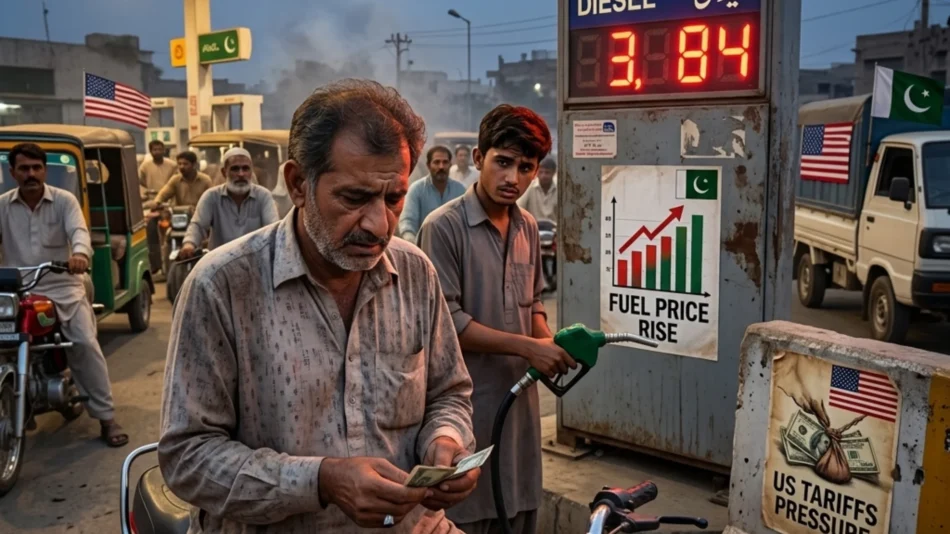
One of the biggest concerns for consumers is the continued rise in petrol and diesel prices. Higher fuel costs directly affect transportation expenses, making it more expensive to move goods across the country. As logistics costs increase, businesses often pass these additional expenses on to consumers through higher prices.
Essential commodities such as food, vegetables, medicines, and household goods are expected to become more expensive as transportation and distribution costs rise. Public transport fares may also increase, putting additional financial pressure on millions of daily commuters.
For many households already struggling with inflation, another increase in fuel prices could significantly reduce purchasing power and raise monthly living expenses.
Industries Face Higher Production Costs
Fuel is a major input for Pakistan’s manufacturing, agriculture, and transportation sectors. Rising energy prices increase the cost of operating factories, running machinery, transporting raw materials, and delivering finished products.
Industries such as textiles, cement, food processing, and agriculture may experience higher production costs, reducing profit margins and making locally manufactured goods more expensive.
Pakistan Business Costs 34% Higher Than Regional Competitors, Says Business Forum Report
Small and medium-sized businesses are likely to be among the hardest hit, as many operate with limited financial resources and have less flexibility to absorb rising operating costs.
New US Tariffs Create Export Challenges
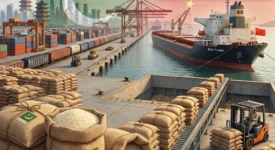
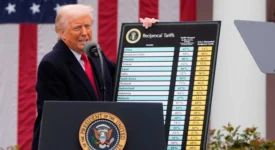
Adding to domestic concerns, the United States has introduced new tariff measures affecting imports from several countries, including Pakistan. Although the exact impact will depend on the products covered and future trade negotiations, exporters fear that higher tariffs could reduce the competitiveness of Pakistani goods in the US market.
Pakistan exports billions of dollars worth of products to the United States each year, with textiles, garments, leather products, surgical instruments, sports goods, and home textiles among the country’s major exports.
If American buyers face higher import duties, they may shift orders to suppliers from countries offering more competitive pricing, potentially reducing Pakistan’s export earnings.
Export-Oriented Industries May Feel the Impact
The textile sector, which is Pakistan’s largest export industry, could face additional pressure if higher tariffs increase the cost of Pakistani products in the US market. Exporters may have to absorb part of the additional cost to remain competitive, reducing profitability.
Industries that rely heavily on international trade are closely monitoring the situation, hoping that diplomatic engagement between Pakistan and the United States will help minimize the impact of the new measures.
Inflation Could Remain Elevated
Economists believe that the combination of rising fuel prices and higher production costs may keep inflation under pressure in the coming months. As businesses adjust prices to offset increased operating expenses, consumers could experience higher prices across a wide range of goods and services.
Persistent inflation can reduce household purchasing power, slow consumer spending, and make economic recovery more difficult.
Government Response Will Be Crucial
Economic experts say the government’s response will play a critical role in determining how severe the impact becomes. Measures such as supporting exporters, improving energy efficiency, expanding industrial incentives, and maintaining macroeconomic stability could help reduce some of the pressure on businesses and consumers.
Strengthening trade relations with key export markets and diversifying export destinations may also help Pakistan reduce dependence on any single market.
Long-Term Economic Outlook
Despite the immediate challenges, Pakistan continues to pursue structural economic reforms aimed at improving exports, attracting foreign investment, and strengthening industrial growth. However, global economic uncertainty, volatile energy prices, and changing international trade policies remain significant risks.
The country’s ability to maintain export competitiveness while controlling inflation will be essential for sustaining economic growth over the coming years.
Final Thoughts
Pakistan is entering another challenging economic period as higher fuel prices increase domestic costs while new US tariff measures create uncertainty for exporters. Together, these factors have the potential to raise inflation, increase production expenses, and slow export growth.
Although the full impact will depend on government policies and international trade developments, economists agree that careful economic management, support for key industries, and proactive trade diplomacy will be essential to protecting Pakistan’s economic recovery and maintaining long-term growth.