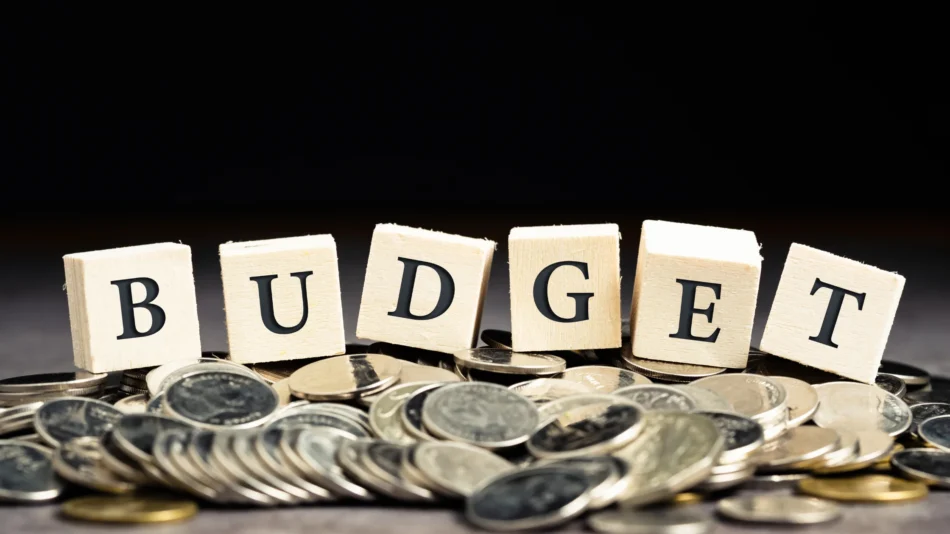

The government of Pakistan is preparing to present the Pakistan Budget 2026–27 on June 5, 2026, with a total estimated outlay of Rs 17.1 trillion. This is one of the most important financial announcements of the year because it will define the country’s economic direction, spending priorities, and revenue strategy for the next fiscal cycle. Before the budget presentation in Parliament, the federal cabinet will meet to formally approve the final proposals.
A day earlier, on June 4, the government will release the Economic Survey of Pakistan 2025–26, which will provide a detailed performance review of the national economy. This report will include data on GDP growth, inflation trends, agriculture output, industrial performance, trade balance, and employment conditions. The findings of this survey will directly influence public expectations for the upcoming budget.
Overview of Pakistan Budget 2026–27
The Pakistan Budget 2026–27 is designed under challenging economic conditions where the government is trying to balance growth, inflation control, debt repayment, and development spending. According to preliminary estimates, the government has set a GDP growth target of 4.1%, which shows a cautious but positive outlook for economic recovery.
At the same time, inflation is expected to remain around 8.4%, which means price pressures will continue to affect households and businesses. The government’s challenge will be to manage inflation while still encouraging investment and economic activity.
The total revenue framework includes a tax collection target of Rs 15.267 trillion and non-tax revenue of Rs 2.768 trillion. These figures show that Pakistan continues to rely heavily on taxation and government-controlled income sources to manage its fiscal needs.
Economic Growth Strategy and Challenges
The government’s growth target of 4.1% is based on expectations of improved industrial output, stronger agricultural performance, and better export activity. Policymakers believe that stability in the currency market and controlled inflation will help support economic expansion.
However, experts point out that achieving this target will not be easy due to structural weaknesses in the economy. Energy costs remain high, production is inconsistent, and external debt obligations limit fiscal flexibility. As a result, economic growth may depend heavily on reforms in taxation, energy pricing, and business regulation.
PUNJAB GOVERNMENT ANNOUNCES LOCAL BODY ELECTIONS AFTER BUDGET
Inflation and Cost of Living Pressure
Inflation remains one of the biggest concerns in the Pakistan Budget 2026–27. With an expected rate of 8.4%, the cost of essential goods, fuel, and services is likely to remain high for ordinary citizens.
The government is expected to introduce measures aimed at stabilizing prices, including better import management of essential commodities, coordination with the central bank, and possible subsidies on selected items. However, analysts believe that global oil prices and currency fluctuations will continue to influence inflation trends significantly.
Revenue Collection and Tax Reforms
A major focus of the Pakistan Budget 2026–27 is increasing revenue collection. The government has set a tax target of Rs 15.267 trillion, which will require strict enforcement and expansion of the tax net.
Authorities are expected to introduce digital monitoring systems, improve documentation of the economy, and reduce tax evasion. Businesses may face increased compliance requirements, while salaried individuals could see revised tax slabs depending on income levels.
Non-tax revenue is projected at Rs 2.768 trillion, which will include income from state-owned enterprises, fees, and other government services.
Development Spending Through PSDP
Development spending remains an important part of the budget through the Public Sector Development Programme (PSDP), which has been allocated Rs 1.1 trillion.
This amount will be used for infrastructure projects such as highways, energy production, water management systems, and public sector facilities like schools and hospitals. Regional development projects are also expected to receive attention, particularly in underserved areas.
Although development spending is essential for long-term growth, it remains limited compared to Pakistan’s debt obligations, which significantly reduce available fiscal space.
Debt Servicing: The Largest Burden
One of the most critical aspects of the Pakistan Budget 2026–27 is debt servicing, which has been allocated Rs 7.824 trillion. This makes it the single largest expense in the entire budget.
Debt servicing includes repayment of domestic and international loans along with interest payments. Because of rising debt levels in previous years, a large portion of government revenue is now used just to meet these obligations.
This situation leaves limited funds for development, social welfare, and public sector salary increases, making fiscal management extremely difficult for policymakers.
Defense Spending and National Security
Defense expenditure is another major component of the budget, with an allocation of Rs 2.665 trillion. This reflects ongoing security needs, regional tensions, and modernization requirements of the armed forces.
Defense spending is considered essential for national security, but it also adds pressure on the fiscal balance, especially when combined with debt servicing costs.
Petroleum Levy and Indirect Revenue
The government plans to collect Rs 1.727 trillion through the petroleum levy, which remains a key source of indirect taxation.
This levy is applied on fuel products and directly impacts transportation costs, electricity prices, and overall inflation. While it helps generate revenue, it can also increase the cost of living, making it a sensitive policy tool in the budget.
Salary and Pension Expectations
One of the most debated issues in the Pakistan Budget 2026–27 is the demand for salary and pension increases for government employees. Employee unions are pushing for increases of up to 100%, arguing that rising inflation has significantly reduced purchasing power.
However, government officials have indicated that any increase will likely be linked to inflation rates rather than meeting full demands. This has already triggered protests and warnings from employee organizations, especially in Islamabad.
The final decision on salaries and pensions will be closely watched, as it directly affects millions of public sector workers.
Economic Survey 2025–26 and Its Importance
The Economic Survey to be released on June 4 will serve as a foundation for the budget. It will provide a detailed picture of how the economy performed during the outgoing fiscal year.
Key areas expected to be highlighted include agricultural growth, industrial output, inflation trends, export performance, and employment levels. This data will help explain the government’s budget decisions and set expectations for the next fiscal year.
Public Impact of the Budget
The Pakistan Budget 2026–27 will directly affect the daily lives of citizens. Any changes in tax policies, fuel prices, electricity tariffs, or salary structures will immediately impact household budgets.
For salaried individuals, tax deductions and salary adjustments will determine disposable income. For businesses, new taxes and compliance requirements will affect operational costs. For ordinary citizens, inflation and utility prices will remain the most important concerns.
Economic Outlook and Future Risks
While the budget shows an effort to stabilize the economy, Pakistan continues to face several long-term challenges. These include high debt levels, reliance on indirect taxation, energy sector inefficiencies, and limited industrial competitiveness.
If reforms are not implemented effectively, fiscal pressure may continue in future budgets as well. However, if revenue collection improves and exports increase, Pakistan may gradually achieve better economic stability.
Conclusion
The Pakistan Budget 2026–27 represents a crucial financial roadmap for the country. With a total size of Rs 17.1 trillion, it reflects both ambitious development goals and serious fiscal constraints.
While the government aims for growth, inflation control, and infrastructure development, the heavy burden of debt servicing remains the biggest challenge. The coming months will reveal how effectively Pakistan can balance these competing demands and move toward sustainable economic stability.