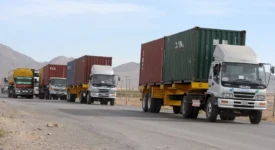
President of Kazakhstan, Kassym-Jomart Tokayev, is scheduled to visit Pakistan on February 3, 2026, to finalize a landmark $7 billion rail connectivity agreement. This transformative infrastructure project aims to link Pakistan with Afghanistan, Turkmenistan, and Kazakhstan, positioning Pakistan as a central transit and trade corridor for Central Asia.
The proposed rail network will pass through Chaman in Balochistan, connecting to the existing infrastructure in Central Asia. Officials from both nations have emphasized the goal of completing the project within three years. Once operational, it is expected to drastically reduce transport time and costs for goods moving between the regions.
New Zealand Launches Business Investor Visa 2025 for Pakistanis
The agreement is projected to generate significant economic benefits, including job creation, attracting foreign infrastructure investment, and substantially boosting bilateral and regional trade. It marks a major step in strengthening economic and strategic ties between South and Central Asia.
Key Details of the Agreement:
- Visit Date: February 3, 2026
- Estimated Value: $7 Billion
- Key Route: Connectivity via Chaman, linking Pakistan to Afghanistan, Turkmenistan, and Kazakhstan.
- Primary Goal: To establish Pakistan as a key transit hub, reducing cargo travel time and costs.
- Timeline: Targeted completion within three years.
- Expected Benefits: Enhanced regional trade, job creation, and increased infrastructure investment.
Frequently Asked Questions (FAQs)
1. What is the main purpose of this rail agreement?
The primary purpose is to create a direct, efficient, and cost-effective rail link between Pakistan and Central Asia (via Afghanistan and Turkmenistan), transforming Pakistan into a major trade and transit corridor for the region.
2. How will Pakistan benefit economically?
Pakistan stands to gain through transit fees, increased export opportunities, job creation in logistics and construction, and significant foreign direct investment in infrastructure development.
3. What is the significance of the Chaman route?
Chaman is a critical border crossing with Afghanistan. This route provides the most direct land link to Central Asia, forming the essential first leg of the proposed international rail network.
4. Are there any challenges to this project?
Key challenges include ensuring regional stability, particularly in Afghanistan, securing the full $7 billion in financing, and coordinating complex construction and regulatory frameworks across multiple countries.
5. How does this compare to other regional connectivity projects?
This pact directly complements initiatives like the China-Pakistan Economic Corridor (CPEC) by adding a crucial northward trade route to Central Asia, diversifying Pakistan’s connectivity and economic partnerships beyond its eastern borders.